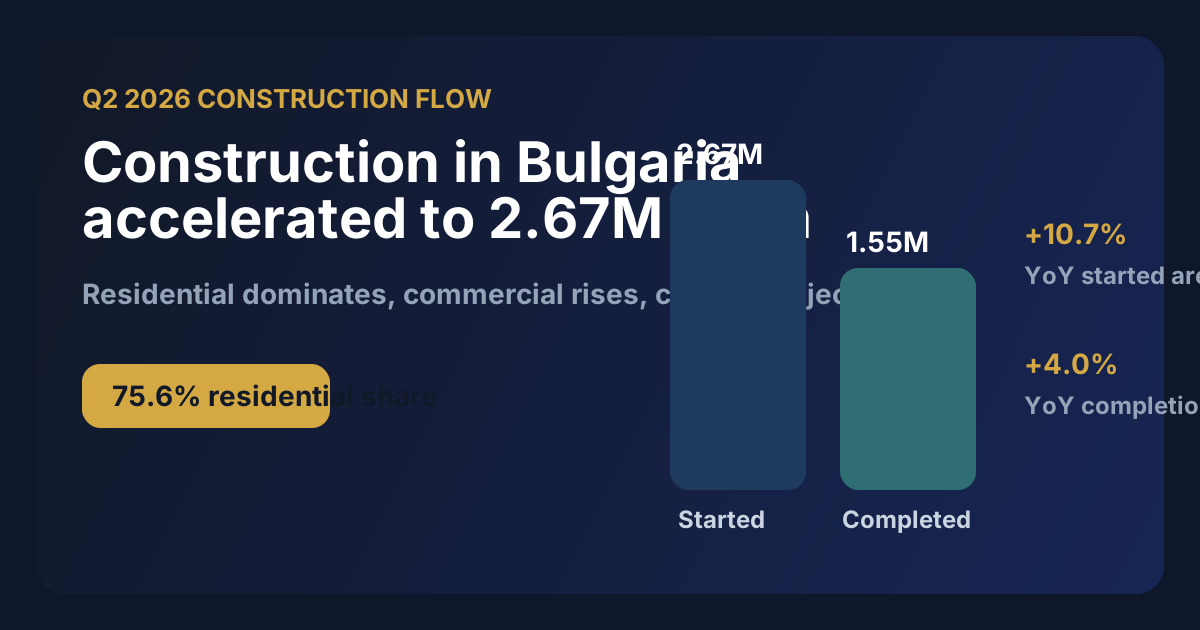
Started new construction in Bulgaria reached 2,669,343 sq.m of gross floor area in Q2 2026, up 10.7% year over year. That is a sharp acceleration versus the nearly flat first quarter (+1.2%) and brings the first half to nearly 4.98 million sq.m.
The data comes from the quarterly BCC.BG analysis based on the National Registry for New Construction and Renovations, which tracks construction projects across all 28 regions and all eight building types since 2003.
Completions moved out of stagnation. Areas commissioned with Act 16 reached 1,545,433 sq.m (+4.0% YoY) after a decline of more than 20% in the first quarter. The rebound was led by Sofia, where completions rose 16.2%, signaling that the delayed delivery cycle from last year is normalizing and new supply is reaching the market again.
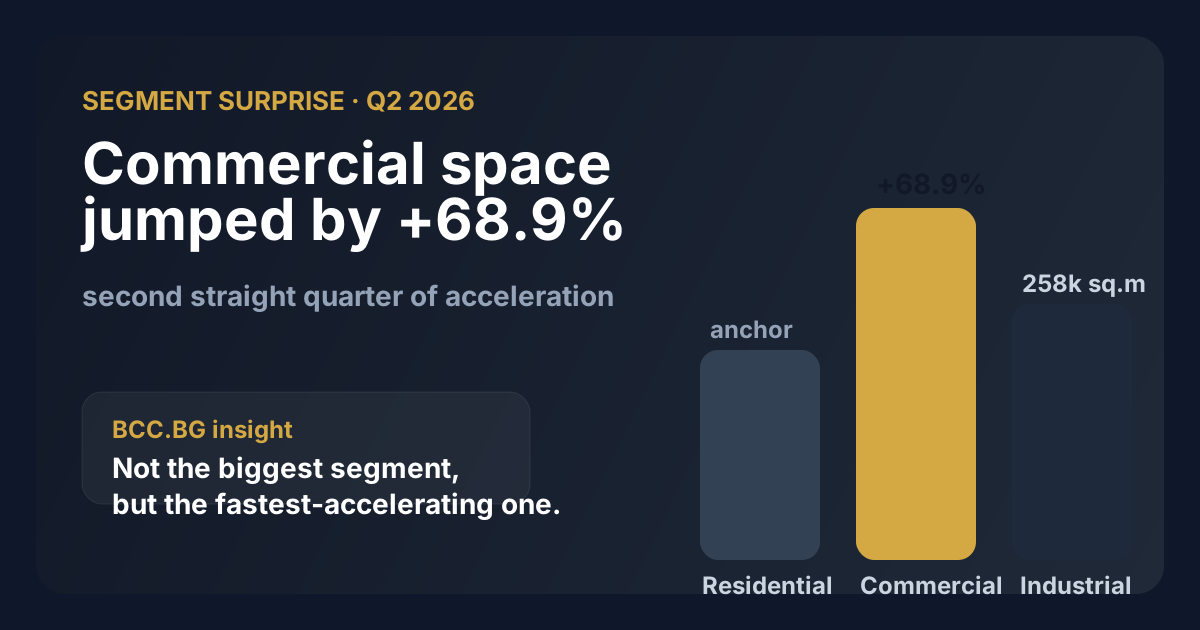
Residential construction remains the anchor at 2.02 million sq.m of started area (+15.4%), accounting for 75.6% of total quarterly flow. The acceleration is also confirmed by external data: new residential building permits are up 8.2% YoY according to NSI.
The fastest-growing segment, however, is commercial space, with a 68.9% rise in starts and a second consecutive quarter of acceleration. Industrial construction remains the second-largest segment by volume at 258 thousand sq.m (+3.5%), while completions are up nearly 29%, indicating that the logistics cycle is delivering.
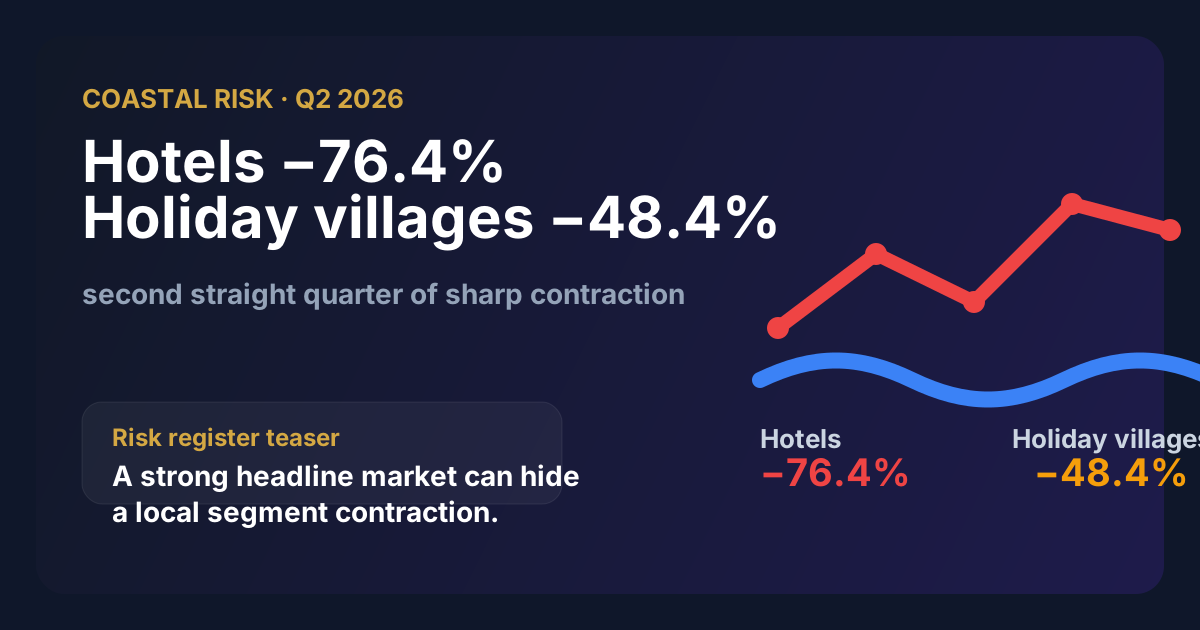
The coast is cooling visibly. Hotel construction fell 76.4% and holiday settlements 48.4% year over year. Both segments posted a second consecutive quarter of double-digit contraction in both started and completed areas.
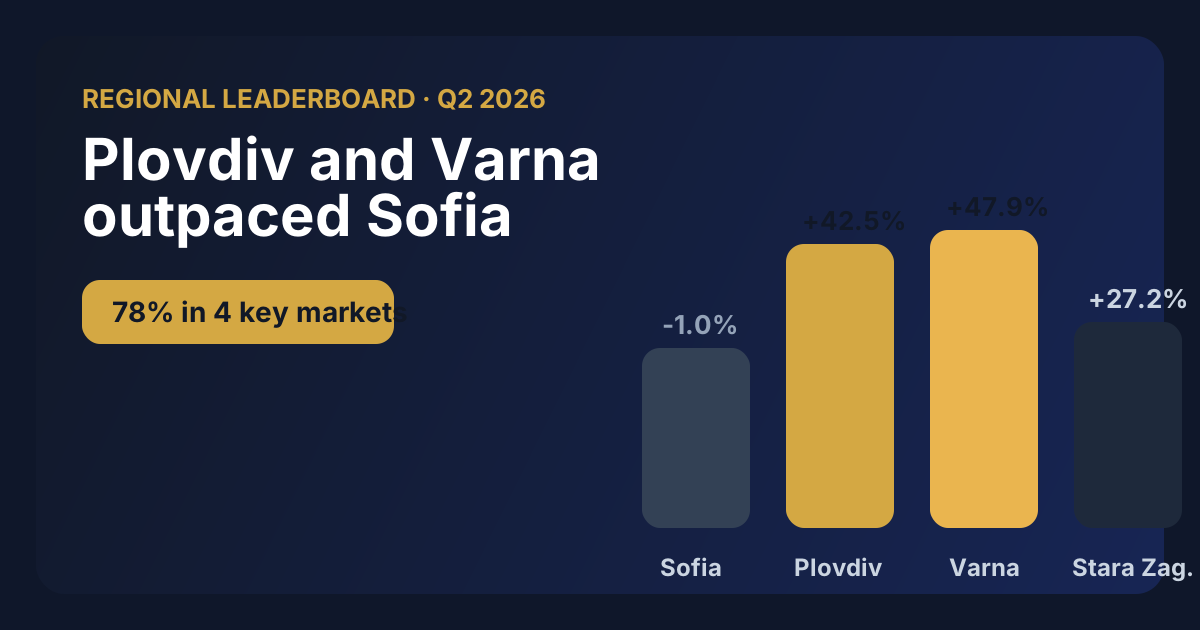
Concentration is increasing. The four largest markets — Sofia, Plovdiv, Burgas and Varna — absorbed 78.0% of started flow, versus 69.4% in the first quarter. Notably, the capital is no longer the main engine: Sofia stayed nearly flat (-1.0%) on a high base, while Plovdiv accelerated 42.5%, Varna 47.9%, and Stara Zagora 27.2%.
With nearly 4.98 million sq.m of started construction in the first half, the market is on track to exceed the 2025 result (8.61 million sq.m). In the report, BCC.BG’s base scenario now points to a record 2026, with concrete ranges, probabilities and risk factors that could reverse it.
What the full report includes: the Q2 2026 quarterly report covers 18 pages of analysis, including investor positioning for each of the eight segments, a regional atlas of all 28 regions, an indicative investment tracker in euro, a risk register and a three-level scenario framework for full-year 2026 with probability splits.
"The second quarter is not just an acceleration — it is a change of engine. The headline number is growing, but beneath the surface capital is being reallocated across segments and regions."
Chief Analyst, BCC.BG Construction & Investment Market Analysis
The report is available on reports.bcc.bg and is part of the annual BCC.BG subscription.
SubscribeMore from BCC Reports Newsroom